
Ranch Fiberglass vs Aluminum Truck Cap: Which Material Fits Your Needs?
When you’re shopping for a truck cap, one of the first decisions you’ll make is whether to go with fiberglass or aluminum. Both materials have earned loyal followings, and both have strengths that matter depending on how you use your truck.
At Ranch Truck Caps, we build caps in both materials because we know there’s no single answer that works for everyone. Your choice comes down to what you haul, where you drive, and how much wear and tear your cap will see. This guide walks through the key differences so you can pick the material that actually matches your day-to-day needs.
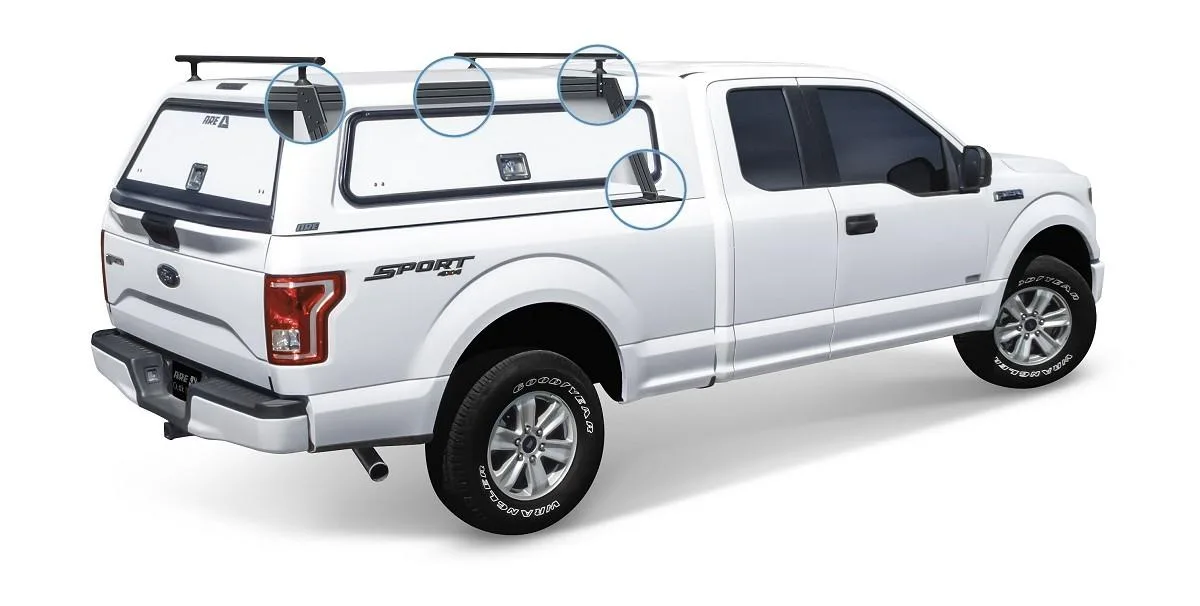
Weight and Fuel Economy: How Each Material Affects Your Truck
Aluminum caps weigh significantly less than fiberglass — often 30 to 40 percent lighter depending on the design. That weight difference translates directly to fuel economy, especially if you’re driving long distances or towing frequently.
Our Ranch Aluminum Truck Cap is built for drivers who need secure storage without adding unnecessary mass to their payload capacity. If you’re already running near your truck’s GVWR or you want every bit of efficiency you can get, aluminum’s lighter footprint makes a measurable difference.
Fiberglass caps are heavier, but that extra weight comes with advantages in rigidity and insulation. If fuel economy isn’t your top priority and you value a quieter, more weatherproof cab, fiberglass’s heft often pays off.
Durability and Impact Resistance in Real-World Use
Fiberglass holds up better against minor impacts and road debris. It flexes slightly on impact and resists cracking when something bounces up from the road or when you accidentally back into a low branch. The material also handles UV exposure well — it won’t oxidize or pit over time the way bare aluminum can.
Aluminum dents more easily than fiberglass, but it won’t shatter. A hard impact that would crack fiberglass might leave a dent in aluminum, but the structure stays intact. If you work on job sites where your cap takes regular hits from lumber, tools, or equipment, aluminum’s ability to absorb impact without breaking can be a deciding factor.
Both materials last for years with basic care. According to the National Association of Corrosion Engineers, aluminum’s natural oxide layer provides inherent corrosion resistance, but fiberglass requires no such protective coating to begin with — it won’t rust or corrode no matter how wet the environment.
Appearance and Paint Matching Your Truck
Fiberglass accepts paint better than aluminum, and it can be color-matched to your truck’s factory finish during manufacturing. Our Ranch Fiberglass Truck Cap ships with a smooth, finished surface that looks like a factory extension of your cab.
Aluminum caps are typically powder-coated or anodized rather than painted. You can order them in black, white, or silver, but exact color-matching to your truck’s OEM paint is harder to achieve. If a seamless look matters to you — especially if you drive a truck with a less common paint code — fiberglass gives you more flexibility.
That said, aluminum’s textured finish hides scratches and scuffs better than a smooth painted surface. If your cap sees heavy use and you’d rather not worry about maintaining a glossy finish, aluminum’s utilitarian look ages more gracefully.
Installation and Hardware Compatibility
Both materials use the same basic mounting systems, but aluminum’s lighter weight makes one-person installation more practical if you’re doing it yourself. Fiberglass caps usually require two people to lift safely and align correctly.
Our Ranch Truck Cap Mounting Hardware works with both materials, and the clamp systems are identical. The difference shows up in how much help you’ll need on install day, not in the hardware itself.
Security hardware also installs the same way across both materials. Whether you choose fiberglass or aluminum, the same Ranch Truck Cap Locks fit without modification.

Cost and Long-Term Value
Aluminum caps typically cost less up front than fiberglass, especially in standard configurations. If you’re buying a work truck and need secure storage on a tighter budget, aluminum delivers the core functionality without the premium price tag.
Fiberglass costs more initially, but it often holds resale value better because of its finished appearance and lower maintenance needs. If you plan to sell your truck in a few years and want the cap to add to its appeal, fiberglass’s paint-matched look can help.
Maintenance costs are low for both. Aluminum may need occasional polishing if you want to keep the shine, and fiberglass might need a wax or sealant to protect the paint. Neither material requires expensive upkeep, so the long-term cost difference comes down to how much you value aesthetics versus initial savings.
Choosing the Right Material for Your Truck and Your Work
There’s no wrong choice between fiberglass and aluminum — just the choice that fits your priorities. If you want a lighter cap, better fuel economy, and a lower up-front cost, aluminum delivers. If you value a painted finish, better insulation, and impact resistance, fiberglass is worth the extra investment.
We build both at Ranch because we’ve seen both materials prove themselves in the field. Think about how you actually use your truck, what conditions your cap will face, and whether you’re optimizing for cost, weight, or appearance. Once you’re clear on that, the material decision makes itself.
Common Questions About Fiberglass and Aluminum Truck Caps
Fiberglass handles extreme heat and cold slightly better because it insulates more effectively. It doesn’t conduct temperature the way metal does, so your bed stays cooler in summer and warmer in winter.
Aluminum expands and contracts more with temperature swings, but it’s still weatherproof and won’t crack in freezing conditions the way fiberglass can if it’s already damaged. Both materials handle rain, snow, and sun without issues as long as seals are maintained.
Aluminum forms a natural oxide layer that protects it from rust, but it can develop white oxidation or pitting if it’s exposed to road salt or coastal air without regular cleaning. Powder-coated aluminum resists this better than bare or anodized finishes.
Fiberglass doesn’t corrode at all. If you live in an area with harsh winters or near the ocean, fiberglass eliminates oxidation concerns entirely.
You can paint aluminum, but it requires more surface prep than fiberglass and the paint doesn’t bond as permanently. Most shops recommend powder coating instead, which is more durable but limits your color-matching options.
If a seamless painted look is important, fiberglass is the easier route. If you’re okay with a standard powder-coated color, aluminum works fine.
Fiberglass dampens road noise and vibration better than aluminum because it’s denser and doesn’t resonate the way metal does. If you spend a lot of time on the highway and want a quieter ride, fiberglass cuts down on drumming and rattling.
Aluminum is louder, especially in heavy rain or when debris hits the cap. Adding foam insulation or a bed liner can help, but it won’t match fiberglass’s natural sound dampening.
Check your truck’s payload rating in the owner’s manual and subtract the weight of any gear, passengers, or cargo you typically carry. Most fiberglass caps weigh between 150 and 250 pounds, so if you have that much payload to spare, you’re fine.
If you’re already running close to your limit or you tow frequently, aluminum’s lighter weight leaves more room for cargo and reduces strain on your suspension.
Warranty terms vary by manufacturer, but most fiberglass and aluminum caps from the same brand carry similar coverage for defects and workmanship. Fiberglass warranties sometimes exclude paint fade or cracking from impact, while aluminum warranties may exclude dents or oxidation from neglect.
Read the specific warranty for the model you’re considering. Both materials are durable enough that claims are rare if you maintain the cap properly.